


Overview of Anodized Aluminum Sheet
What is Anodized Aluminum Sheet?
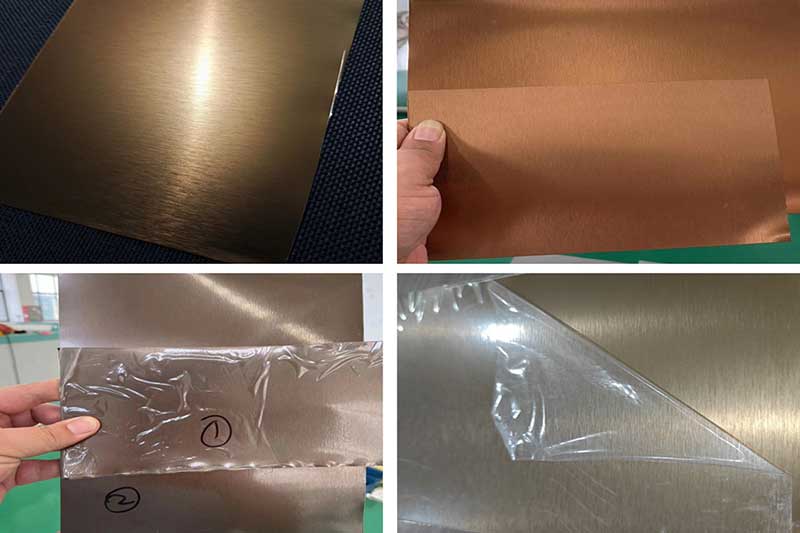
Anodized aluminum sheet is an aluminum sheet placed in an electrolyte as the anode, forming an aluminum oxide (Al₂O₃) film on its surface through electrolysis. Unlike natural oxidation — which produces only a nanoscale (~2–5 nm) layer that offers minimal protection — the anodizing process artificially thickens this layer to micrometer level (up to 150 μm), creating a dense, chemically stable coating with dramatically superior performance.
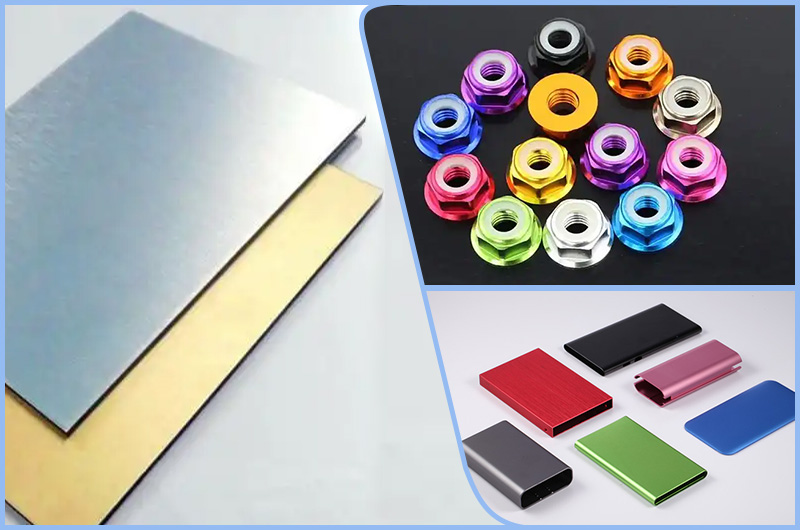
This electrochemical process significantly increases hardness and wear resistance, enhances heat resistance and insulating properties, and improves corrosion resistance. The porous oxide film can adsorb lubricants or be colored, enabling a wide range of rich colors and finishes.
Through controlled oxidation, anodized aluminum sheet achieves the ideal balance between aesthetics and practicality — upgrading the performance of this lightweight material for demanding applications.
Worthwill's Anodized Aluminum Sheet Specifications
- Alloy: 1050, 1060, 1100, 3003, 3004, 3105, 5005, 5052, etc.
- Temper: O, H22, H24, H32, etc.
- Thickness: 0.2 mm to 6.0 mm
- Width: 10 mm to 1800 mm
- Anodic Film Thickness: 3 μm to 60 μm
- Standards: ASTM B209, GB/T 3880, EN AW, etc.
- Certifications: CE, ISO, SGS, etc.
- MOQ: 1 ton (sheet); 3 tons (coil). Samples available on request.
- Lead Time: Stock items 3–7 days; custom orders 15–25 days.
Anodic Film Thickness Selection Guide
Choosing the correct oxide layer thickness is one of the most critical decisions in specifying anodized aluminum sheet. Too thin and the coating won't last; too thick adds unnecessary cost and dimensional change.
| Application | Film Thickness | Anodizing Type | Notes |
|---|---|---|---|
| Indoor decorative / consumer electronics | 5–10 μm | Type II | Cost-effective; minimal dimensional change |
| Architectural / outdoor cladding | 15–25 μm | Type II | Meets AAMA 611 Class I standard |
| Marine / harsh chemical environment | 25–35 μm | Type II + sealing | Salt spray >1000 h; nano-sealing recommended |
| Heavy industrial / wear parts | 40–100 μm | Type III (Hard) | Hardness >500 HV; allow +0.05 mm dimensional tolerance |
| Medical / food contact | 10–20 μm | Type II (BSAA) | Chromic acid prohibited; boric-sulfuric acid process required |
Dimensional note: For every 10 μm of oxide layer, add approximately 5–8 μm to the outer dimension (double for thin-walled parts). Specify this tolerance compensation in your drawing before ordering.
Color Options & Surface Finishes
We offer an extensive selection of anodized colors, surface finishes, and textures for our anodized aluminum sheet. Browse our options below or contact us for custom color matching.
Clear (Natural)
Silver
Champagne
Light Bronze
Medium Bronze
Dark Bronze
Extra-Dark Bronze
Black
Light Gold
Medium Gold
Gold
Dark Gold
Nickel
Brass
Satin Pewter
Satin Brushed
Turquoise
Jade
Textured & Specialty Finishes
Satin Gold
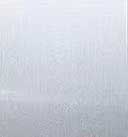
Satin Silver
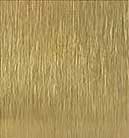
Brushed Gold
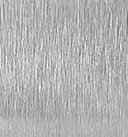
Brushed Silver
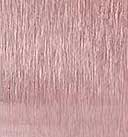
Brushed Copper
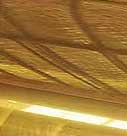
Mirror Gold
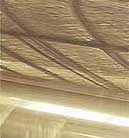
Mirror Light Gold
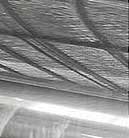
Mirror Silver
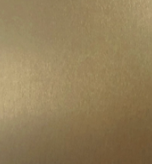
Matte Champagne
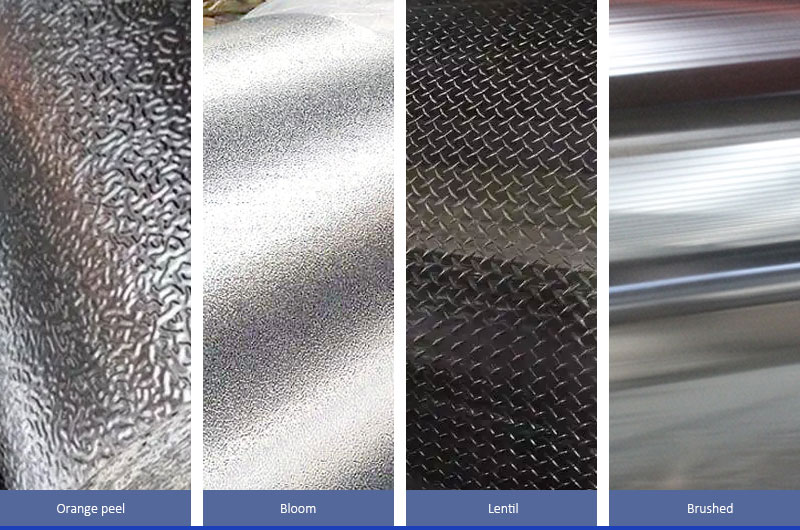
- Finishes: Glossy, Matte, Mirror, Coated, Embossed, or Mill finished.
- Textures: Orange peel, Bead blast, Diamond, etc.
Don't see the color you need? We offer custom color matching — contact us with your Pantone or RAL code.
Aluminum Alloys Used for Anodized Aluminum Sheet
The choice of aluminum alloy significantly affects the quality and appearance of the anodized finish. Below is a comparison of the most commonly used alloys:
| Property | 1050 | 1060 | 1100 | 3003 | 3004 | 3105 | 5005 | 5052 |
|---|---|---|---|---|---|---|---|---|
| Density (g/cm³) | 2.70 | 2.70 | 2.71 | 2.73 | 2.72 | 2.72 | 2.70 | 2.68 |
| Melting Range (°C) | 640–660 | 640–660 | 640–655 | 640–655 | 630–655 | 635–655 | 630–655 | 605–650 |
| Tensile Strength (MPa) | 60–95 | 60–95 | 90–125 | 110–200 | 180–285 | 115–170 | 125–170 | 210–290 |
| Yield Strength (MPa) | 15–35 | 15–35 | 30–95 | 40–185 | 70–240 | 40–150 | 50–145 | 90–255 |
| Elongation (%) | 25–40 | 25–40 | 15–35 | 10–30 | 8–25 | 10–25 | 10–25 | 10–25 |
| Hardness (HB) | 18–25 | 18–25 | 23–35 | 30–55 | 45–75 | 30–50 | 35–50 | 60–95 |
| Thermal Conductivity (W/(m·K)) | 230 | 230 | 220 | 160 | 140 | 170 | 190 | 138 |
| Electrical Cond. (% IACS) | 61–63 | 62–64 | 59–61 | 40–44 | 35–40 | 40–45 | 47–50 | 30–35 |
| Corrosion Resistance | Excellent | Excellent | Excellent | Good | Good | Good | Very Good | Excellent |
| Weldability | Excellent | Excellent | Excellent | Good | Good | Good | Good | Fair |
| Anodizing Quality | Excellent | Excellent | Excellent | Good | Good | Good | Very Good | Good |
Tip: For the best anodized finish with uniform color, 1xxx and 5005 alloys are recommended. For higher strength applications, 5052 is an excellent choice.
The Anodizing Process: Step by Step
Understanding how anodized aluminum sheet is made helps you specify the right parameters and set realistic expectations for lead times and surface outcomes.
Pre-cleaning
Degreasing & deoxidizing to remove surface contaminants
Alkaline Etching
NaOH bath removes natural oxide & smooths the surface
Acid Desmutting
HNO₃ rinse removes smut left after etching
Anodizing
Electrochemical oxidation forms the Al₂O₃ layer
Coloring
Optional dye or electrolytic coloring (tin/nickel)
Sealing
Hot water or nano-sealing locks in color & closes pores
Each step is tightly controlled at Worthwill's facility. Key variables — electrolyte concentration, bath temperature, current density, and sealing duration — are monitored in real time to ensure consistent oxide thickness and color uniformity across every batch.
Why Anodize Aluminum Sheet?
Features & Benefits
| Property | Key Value | Typical Applications |
|---|---|---|
| Corrosion Resistance | Resists salt spray/acid-base erosion; extends lifespan significantly | Marine equipment, chemical containers |
| High Surface Hardness | 3–5× wear resistance vs. bare aluminum; scratch-proof | Mechanical parts, consumer electronics |
| Color Options | Dyeable in matte/glossy hues; stable and fade-resistant | Architectural cladding, home decor |
| Insulation | Oxide layer resistivity >1000 Ω·cm | Non-conductive brackets, heat sinks |
| Easy Maintenance | Hydrophobic surface; stain-resistant and easy to clean | Medical devices, food processing equipment |
| 100% Recyclable | Oxide layer does not impair aluminum recyclability; aligns with ESG goals | Sustainable architecture, EV components |
Potential Limitations
| Issue | Impact | Solution |
|---|---|---|
| Limited Color Range | Fluorescent/gradient colors are challenging | Prioritize basic color schemes or use electrolytic coloring |
| Thermal Sensitivity | Risk of cracking above ~150°C | Avoid rapid temperature changes; use hard anodizing for higher temps |
| Higher Processing Cost | Requires acid tanks/safety systems | Outsource to professional vendors like Worthwill |
| Reduced Conductivity | Conductivity near zero post-anodizing | Preserve non-anodized conductive zones via masking |
Anodizing vs. Other Surface Treatments
Not sure whether anodizing is the right finish for your project? This comparison covers the four most common aluminum surface treatments to help you make an informed decision.
| Attribute | Anodizing | Powder Coating | Liquid Painting | Electroplating |
|---|---|---|---|---|
| Coating Type | Integral oxide layer | Applied polymer film | Applied paint film | Deposited metal layer |
| Thickness Added | 5–100 μm | 60–120 μm | 25–75 μm | 5–50 μm |
| Durability | Excellent | Good | Fair | Good |
| Color Range | Limited (metallic tones) | Very wide (any RAL) | Very wide (any RAL) | Limited (metal colors) |
| Peeling Risk | None (fused with base) | Low | Medium | Low |
| Metallic Appearance | Excellent | Poor | Poor | Good |
| 100% Recyclable | Yes | Limited | Limited | Partial |
| Relative Cost | Medium | Low–Medium | Low | High |
| Best For | Premium look + long service life | Budget-friendly with wide color choice | Low-cost decorative finish | Specialty functional coatings |
Bottom line: Anodizing is the preferred choice when metallic aesthetics, long-term durability, and recyclability matter most. For projects requiring an unlimited color palette on a tight budget, powder coating may be more suitable.
Other Anodized Aluminum Products
Beyond our core anodized aluminum sheet product line, the anodizing process can also be applied to various aluminum profiles and components:
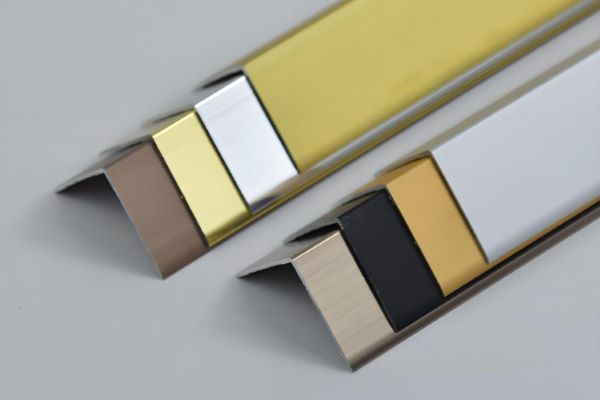
Anodized Aluminium Angle
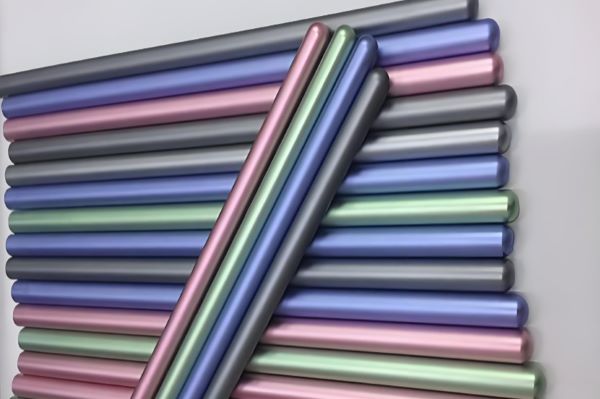
Anodized Aluminum Bar
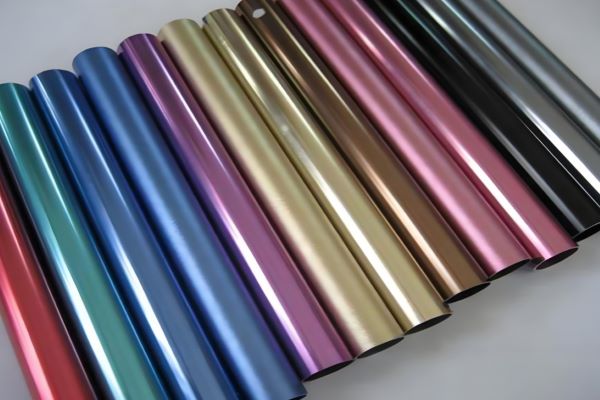
Anodized Aluminum Tube
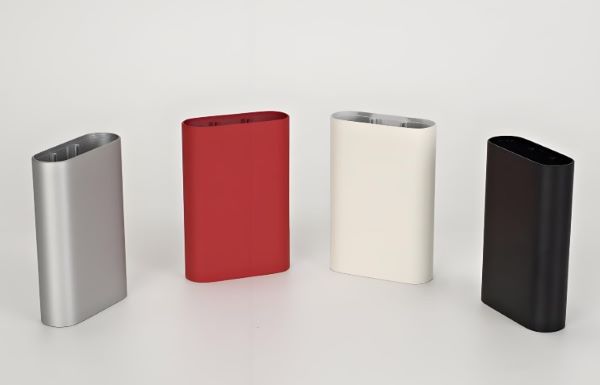
Anodized Aluminum Flat Bar
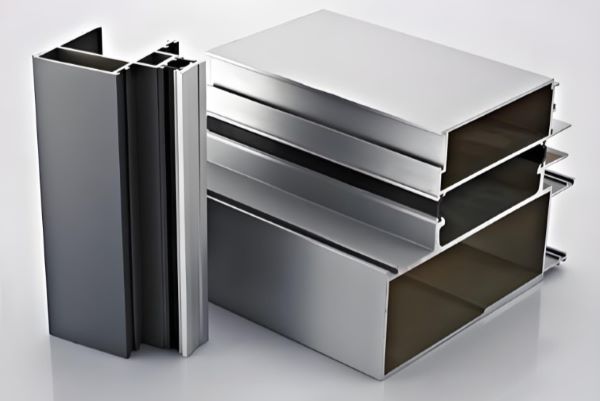
Anodized Extrusion Profiles
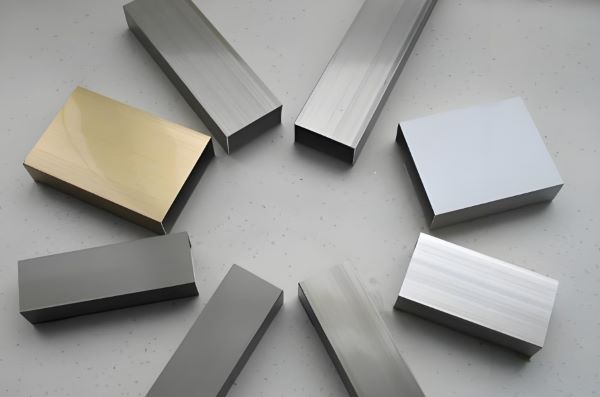
Anodized Aluminum Section
Common Applications of Anodized Aluminum Sheet
| Industry | Representative Products | Type | Key Benefits |
|---|---|---|---|
| Consumer Electronics | Smartphone/laptop casings, VR frames | Type II | Premium aesthetics, scratch resistance |
| New Energy Vehicles | Battery pack housings, charging ports | Type III | Corrosion resistance, 15% weight reduction |
| Aerospace | Satellite brackets, aircraft fasteners | Type I | Fatigue resistance in extreme environments |
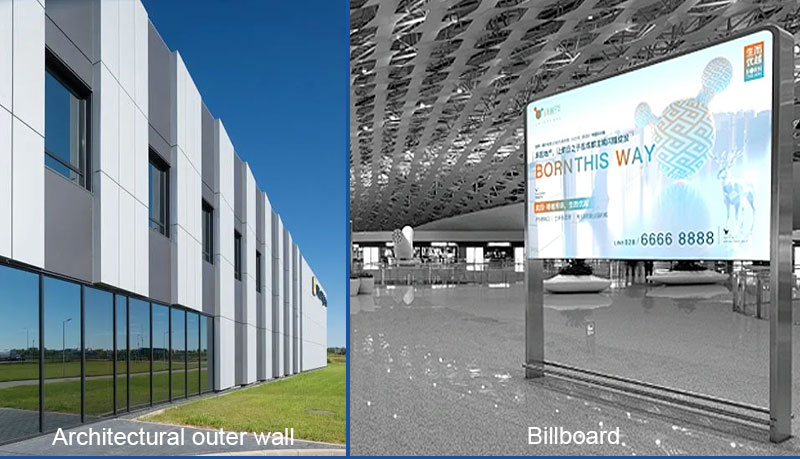
| Architecture | Curtain wall panels, photovoltaic frames | Type II | 25+ year lifespan, wide color selection |
| Medical Devices | Surgical robot arms, MRI equipment brackets | Type II | Biocompatible, sterilization-safe |
| Industrial Equip. | Hydraulic cylinder pistons, robotic joints | Type III | Extreme wear resistance |
Design Considerations for Anodized Aluminum Sheet
Surface Performance Optimization
| Requirement | Recommended Solution | Target Parameters |
|---|---|---|
| High Wear Resistance | Type III hard anodizing | Thickness ≥50 μm; Hardness >500 HV |
| Corrosion Resistance | Boric-sulfuric acid anodizing + nano-sealing | Neutral salt spray test >1000 hours |
| Insulation | Standard Type II anodizing | Breakdown voltage >30 V/μm |
| Permanent Color | Electrolytic coloring (tin/nickel salt deposition) | Pantone color match ΔE <1.5 |
| UV Fade Protection | Nano-sealing with UV stabilizers | UV aging test >2000 hours |
Packaging, MOQ & Shipping
We understand that import buyers have strict requirements for packaging integrity and documentation. Here is what to expect when ordering anodized aluminum sheet from Worthwill:
| Item | Details |
|---|---|
| Sheet Packaging | PE protective film on both sides + kraft paper interleaving + wooden pallet with steel strapping; export-grade seaworthy crating available |
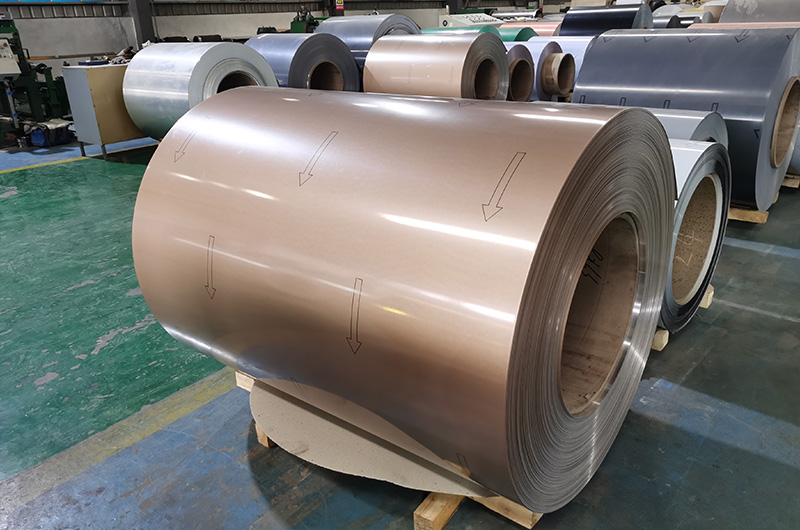
| Coil Packaging | Inner PE sleeve + outer kraft paper wrap + wooden cradle or steel rack; eye-to-sky or eye-to-wall orientation specified on request |
| MOQ | Sheet: 1 ton per size/color; Coil: 3 tons per specification. Samples (up to 1 m²) available prior to bulk order. |
| Lead Time | Stock standard items: 3–7 business days. Custom color/alloy/thickness: 15–25 business days from order confirmation. |
| Shipping Options | Sea freight (FCL/LCL), air freight, and express courier. FOB Tianjin / CIF to major global ports available. |
| Documents Provided | Mill Test Certificate (MTC), Packing List, Commercial Invoice, Certificate of Origin, and third-party inspection reports (SGS/Intertek) on request |
Why Choose Worthwill for Anodized Aluminum Sheet
High-Quality Products
All products comply with ASTM B209, GB/T 3880, EN AW, and other international standards. CE, ISO, SGS certified.
20 Years of Experience
Two decades of specialized experience in anodized aluminum sheet production and global supply chain management.
Wide Customization
Extensive range of colors, finishes, alloys, and sizes. Custom color matching (Pantone/RAL) and coil formats are available.
End-to-End Tech Support
Our engineering team provides free alloy selection, film thickness specification, design consultation, and after-sales support.
Environmentally Responsible
Closed-loop waste treatment, chrome-free process options, and 100%-recyclable product — aligned with global ESG requirements.
Competitive Pricing & Fast Delivery
Factory-direct pricing. Stock items ship in 3–7 days. Bulk order discounts and sample service available.
Frequently Asked Questions
How to determine if an anodized aluminum sheet is properly anodized?
| Test Item | Method | Passing Standard |
|---|---|---|
| Color Consistency | Color difference analyzer (ΔE <1.5) | No visible color spots or stripes |
| Surface Quality | Visual and microscope (Ra ≤0.8 μm) | No orange peel texture or white spots |
| Abrasion Resistance | Pencil hardness test (≥5H grade) | No visible scratches to the naked eye |
| Thickness | Eddy current gauge (accuracy ±0.1 μm) | Type II: 10–25 μm; Type III: 25–100 μm |
| Sealing Quality | Dye spot test or fluorescent test | Salt spray test >500 hours w/o corrosion |
Should your aluminum sheet be anodized?
- YES — if you need corrosion resistance, visual appeal, or a durable decorative finish.
- NO — if the part must remain entirely electrically conductive.
- CAUTION — if secondary machining is needed after anodizing. Post-anodizing laser film removal is available with ±5 μm precision.
Does anodized aluminum sheet rust or fade?
Rust: No — anodized aluminum sheet does not rust. Unlike steel, aluminum does not contain iron (Fe). The anodic oxide layer provides further protection, certified under ISO 9227 salt spray testing standards.
Fade: With proper sealing, anodized aluminum sheet resists fading for decades. For maximum UV protection, electrolytic coloring (tin/nickel deposition) produces the most fade-resistant colors, and nano TiO₂ sealing provides UV resistance exceeding 5000 hours of accelerated testing.
Can anodized aluminum sheet be anodized twice?
Generally no. Aluminum sheet cannot be directly anodized a second time because the existing oxide layer is non-conductive and blocks the electrochemical process. If re-anodizing is required, the existing oxide layer must first be chemically stripped (typically using a phosphoric-chromic acid solution), after which the sheet can be re-anodized. Note that stripping may slightly alter the sheet's dimensions.
Do you also supply anodized aluminum coil?
Yes, Worthwill also supplies anodized aluminum coil for customers who require continuous-length material for high-volume stamping, roll forming, or roll-to-roll production lines. Contact our sales team at sales@worthwillaluminium.com for coil specifications and pricing.